Silent Film



Academic discussions, reviews, and re-edits relating to the original cinematic language.
Silent Film History
Insights into silent film history and its musical practices.



An Introduction to the History of Silent Film Music Practices
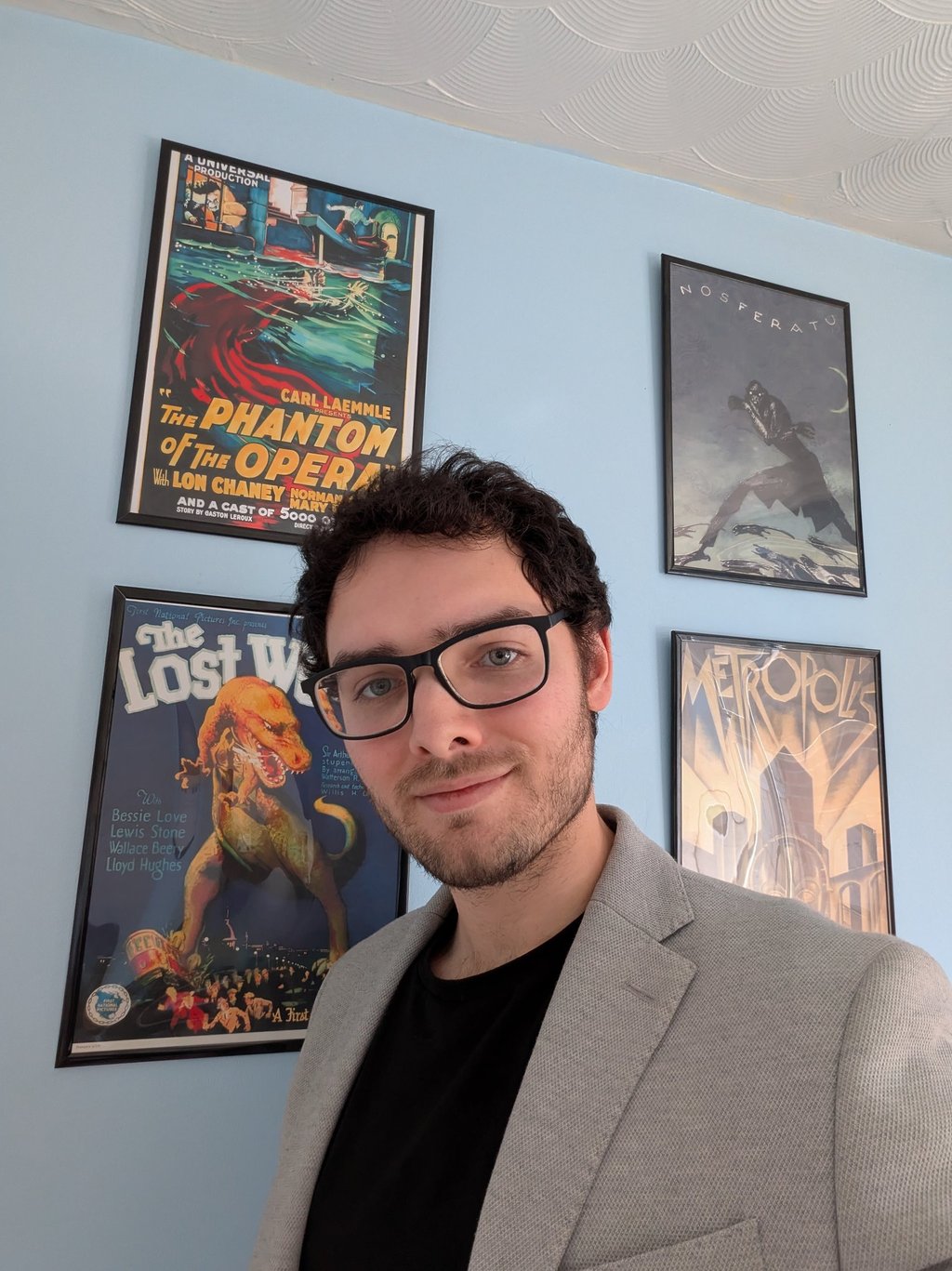
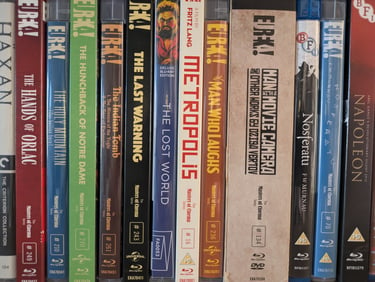
Silent film is the earliest era of cinema, when stories were told through expressive acting, intertitles, and live music rather than spoken dialogue. Some of the most famous examples— City Lights, Metropolis, and Nosferatu—show how simple, universal tales of love, adventure, comedy, and horror could captivate audiences without a single spoken word. While performers mostly relied on gesture and dynamic facial expressions, musicians shaped the films’ emotional landscape from the orchestra pit. Icons like Charlie Chaplin, Douglas Fairbanks, and Mary Pickford defined the era, which flourished from the 1890s to the late 1920s. Today, silent films remain essential viewing for their artistry, innovation, and timeless storytelling.
What is Silent Film?
Silent Film Re-Light
Modernised re‑edits of classic silent films designed to be more approachable for today’s viewers. Perfect for anyone curious about silent cinema but put off by the slow pacing, length, or other dated aspects.
The Cat and the Canary
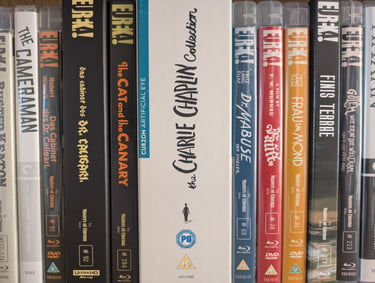
This is a stylish, expressionist‑tinged blend of mystery and dark comedy, where shifting shadows, secret passages, and eccentric heirs turn a haunted‑house inheritance plot into one of silent cinema’s most elegant early thrillers. It helped establish the “old dark house” genre and remains one of the most elegant thrillers of its time.


Nosferatu - F.W. Murnau
This is a haunting, expressionist reimagining of the Dracula myth, an atmospheric blend of shadow, architecture, and eerie stillness that helped define the visual language of early horror cinema. It features the iconic portrayal of the titular character by Max Schreck, who was so convincing in the role that rumours spread for years about him being an actual vampire - a concept that inspired the making of the 2000 film Shadow of the Vampire.
Contact
Please get in touch for lesson enquiries or other questions.
AndrewwwMedia@gmail.com
© 2026. All rights reserved.